01. Perforated shed
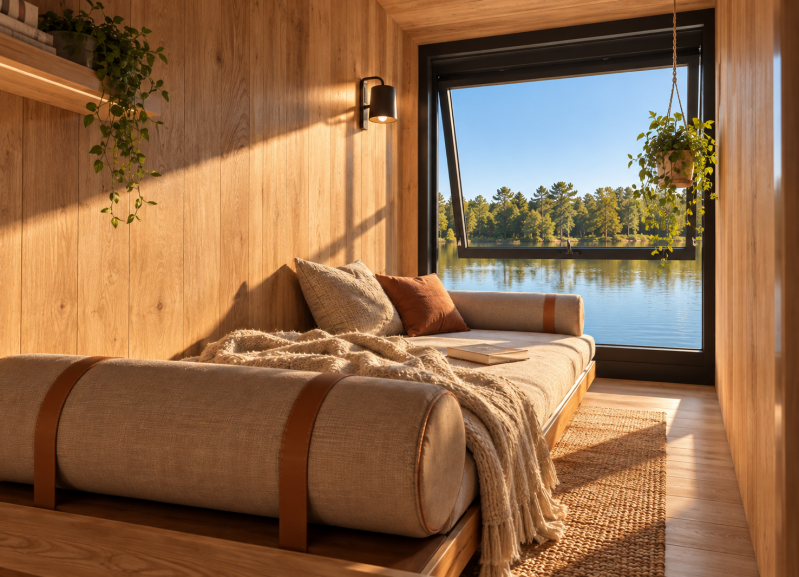
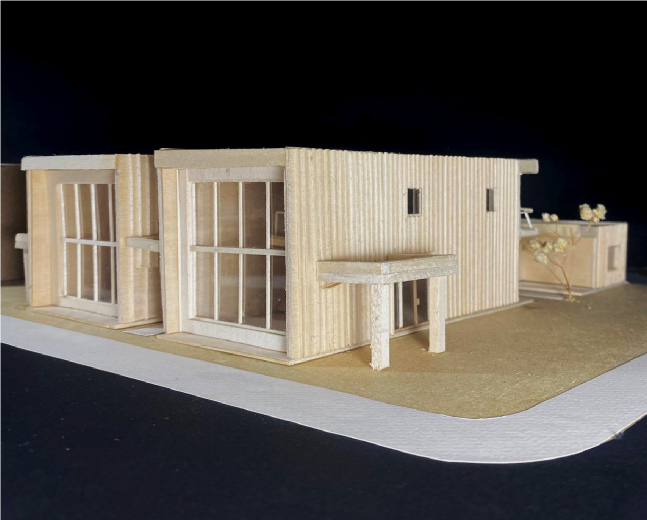
The Lakeside Retreat (Perforated Shed) seamlessly blends the tranquility of its lakeside setting with the comfort of an enclosed space, creating a serene, welcoming escape for visitors. Perched above Beaver Lake in Shelby Farms, Memphis, Tennessee, the retreat offers a unique opportunity to immerse oneself in nature without sacrificing modern comfort. Taking full advantage of its waterfront location, the Shed draws the lake’s calming presence into every aspect of the space.


Addition and Subtraction
A 1/8 portion of the mass is carefully subtracted to carve out an opening; the subtracted portion is strategically added to the front top of the structure.

Openings
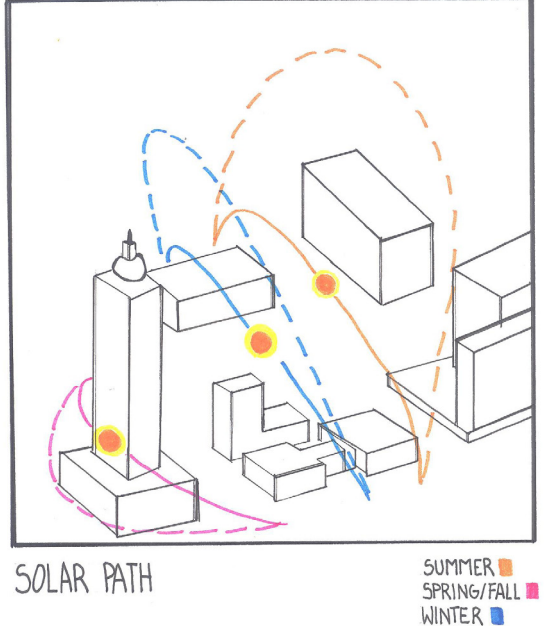
Two significant openings are made to let sunlight into the space

Main access
A straightforward hallway or room space is established,
providing a clear and unobstructed path for movement and functionality.



Section A
Section B


02. Redefining the chocolate bar
This interior design project reimagines La Maison du Chocolat as an immersive Chocolate Bar experience. Inspired by the brand’s French heritage, precision, and craftsmanship, it draws on the Arc de Triomphe and Rue de Rivoli’s arcades, using arches to shape thresholds, circulation, and displays. The space comprises three zones: The Heritage Walk, presenting the brand’s history and craft; the Signature Lounge, for an intimate, luxurious chocolate experience; and a social zone promoting interaction and movement. Together, they guide visitors from discovery to immersion and social engagement, while refined materials, proportions, and details bring French elegance and La Maison du Chocolat’s identity into the architecture.

Private Booth: A luxurious setting showcasing the maison’s products with exclusivity and exceptional standards.


North Interior Elevation

South Interior Elevation

East Interior Elevation

West Interior Elevation

03. From oceans to forest
This project draws inspiration from the layered ecosystems of oceans and rainforests. A central mass houses an immersive aquarium, while two interlocking volumes contain a double-height aviary and event spaces, expressing the vertical complexity of the rainforest and the connection between land and sea. The design emphasizes fluid circulation, visual transparency, and natural light to create an engaging visitor journey. Materials and forms are carefully selected to evoke organic textures and the vibrant diversity of marine and forest habitats, offering an immersive experience that highlights the interplay between nature, architecture, and human interaction.


Site Orientation
The building angles northeast to align with visitor flow and allow intuitive entry from Prentis Place.

Interlock
Two secondary masses interlock with the central volume, emphasizing layered interdependence in form and function.

Extension
The front ends of the secondary spaces extend outward to meet program needs and engage the surrounding landscape.

Slice
One secondary mass cantilevers and angles to emphasize the main entrance and create a striking sense of arrival.


Site Plan
This project is located within the Memphis Zoo on the site of the current aviary, herpetarium, and aquarium. It reimagines this existing area into a unified space that enhances animal habitats and the overall visitor experience.

Legend
1. Aquarium
2. Herpetarium
3. Aviary
4. VR Learning Space
5. Back of House
6. Ambassador Exihibit
7. Gift Shop
8. Restrooms
9. Restaurant Entry

First floor plan

Legend
1. Aquarium
2. Aviary
3. Restaurant
4. Event Space
5. Learning Space
6. Back of House
7. Restrooms
8. Kitchen
Second Floor Plan

The aviary provides a safe, immersive environment for birds and visitors

The wavy form reflects the natural movement of water and guides circulation through the exhibition.

The bird exhibition features interactive display panels that introduce visitors to local bird species within the aviary

Aquarium exhibition along the southern side of the first floor


East Elevation

Section A

04. Flexible dwelling
This street section represents my featured contribution to the Mending Memphis urban master plan, a collaborative proposal to reconnect the National Civil Rights Museum and Clayborn Temple through a continuous civic and cultural corridor. Rather than presenting the full master plan, this drawing highlights the human-scale experience of the Heritage Trail and demonstrates how the design translates broader urban planning strategies into the public realm. The section illustrates a complete street that prioritizes pedestrians and cyclists through dedicated bicycle lanes, generous sidewalks, landscaped buffers, street trees, urban furniture, and clear wayfinding. More than a transportation corridor, the Heritage Trail is envisioned as a vibrant public space that encourages movement, gathering, and reflection while celebrating Memphis' Civil Rights legacy and strengthening connections between surrounding neighborhoods and civic destinations.


Preliminary Position
Preliminary placement of the duplex structures, indicating their potential locations and orientation within the site context.

Transformation
The transformation of the original masses into a set of duplexes and two ADUs. Each mass is split in half, delineating the creation of distinct living units on the site.

Shading
These shade spots are positioned to intercept sunlight; providing relief from direct exposure.

Emphasis on linearity
This clear and direct pathway serves as a visual representation of the linear elements integrated into the architectural composition based on the client’s artistic style.

Legend
- Living
- Dining
- Kitchen
- Laundry
- Half Bath
- Pantry
- Storage
- Full Bath
- Bedroom
First Floor Plan

Legend
- Bedroom
- Full bath
- Balcony
Second Floor Plan



Section A

Section B

East Elevation

North Elevation



Construction Drawings
Plan details developed to communicate structural logic, material transitions, and precise construction methods.


05. Street section
This street section represents my featured contribution to the Mending Memphis urban master plan, a collaborative proposal to reconnect the National Civil Rights Museum and Clayborn Temple through a continuous civic and cultural corridor. Rather than presenting the full master plan, this drawing highlights the human-scale experience of the Heritage Trail and demonstrates how the design translates broader urban planning strategies into the public realm. The section illustrates a complete street that prioritizes pedestrians and cyclists through dedicated bicycle lanes, generous sidewalks, landscaped buffers, street trees, urban furniture, and clear wayfinding. More than a transportation corridor, the Heritage Trail is envisioned as a vibrant public space that encourages movement, gathering, and reflection while celebrating Memphis' Civil Rights legacy and strengthening connections between surrounding neighborhoods and civic destinations.


06. Exploring the iterative process
Exploring the iterative process through gestural drawing entails embracing spontaneity and ongoing refinement. The exploration began with gestural drawing, capturing the fluidity and essence of the song on newsprint. Next, various paper folding techniques were employed to emulate the dynamic flow of the drawings. By folding and shaping the paper, the vitality and dynamism of the gestural sketches transform into tangible, three-dimensional structures. This hands-on method enabled ongoing exploration and improvement of ideas as part of the iterative process.
Inspired by music
Inspired by the song “Together” by the group XX, the gestural drawing below mirrors the song’s ethereal allure. Soft melodies and hypnotic rhythms inspire flowing lines and gentle curves, capturing the music’s soothing essence. Guided by its serene and rhythmic qualities, the drawing reflects the captivating and tranquil nature of the song





07. Musically of space
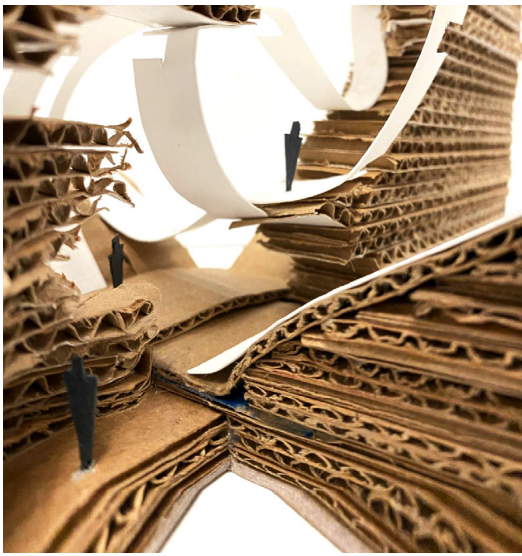
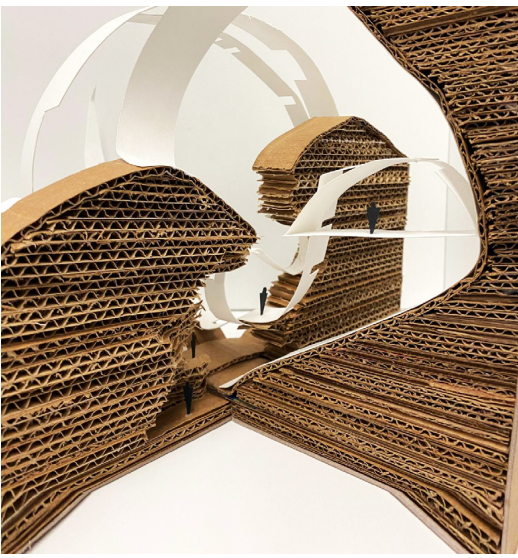
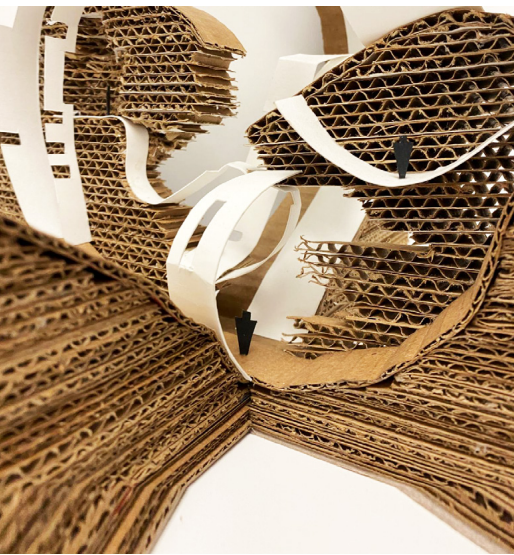
Design can be profoundly shaped by music, which often serves as a catalyst for innovation and artistic expression. This installation was inspired by the creative process of The xx, exploring how isolation and interaction can coexist harmoniously within a single space. The concept challenges traditional assumptions about their compatibility while reimagining the relationship between solitude and connection.
Precedents

Site Analysis